Siding Installation: Elevate Your Home's Curb Appeal and Value
Siding installation holds a significant place in determining a home's exterior aesthetic. It not only enhances curb appeal but also contributes to overall property value. Homeowners must make critical choices about materials and design options. Choosing the right siding can greatly impact energy efficiency and long-term maintenance. Understanding these factors can guide effective choices. What should homeowners consider when starting this project?
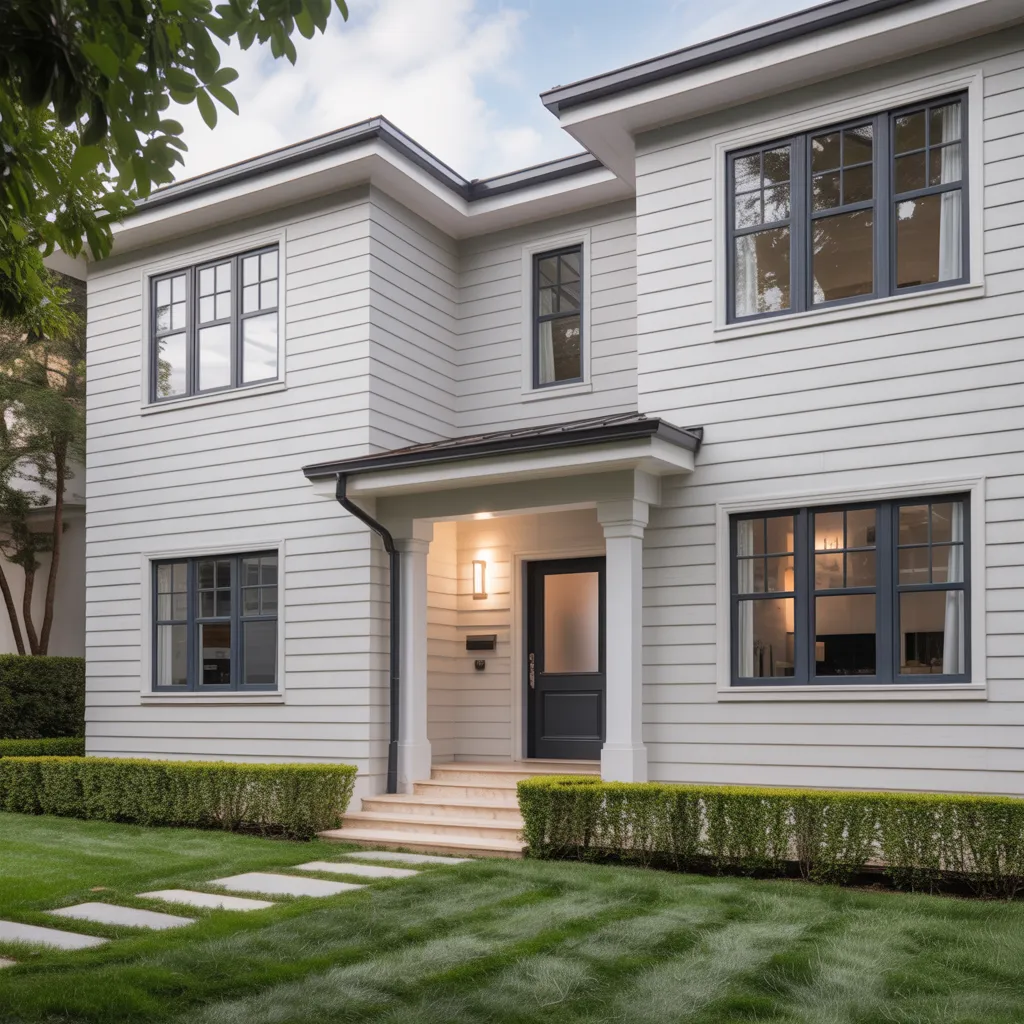
How Siding Impacts Your Home's Value
Siding functions as an essential element in enhancing the overall value of a home. It not only enhances the property's aesthetic appeal but also provides functional benefits that can impact potential buyers. Carefully selected siding materials can enhance energy efficiency, lowering heating and cooling costs, which is appealing to homeowners. Furthermore, siding protects the underlying structure from damage caused by weather, thus increasing the longevity of the home.
Homes that have quality siding often command increased resale prices, as future buyers appreciate the decreased upkeep and enhanced curb appeal. Furthermore, today's siding options, such as fiber-cement or vinyl siding, are engineered to resist fading, warping, and pests, thereby ensuring long-term value. The ideal siding can make a strong first impression, making it an excellent investment for homeowners seeking to maximize their home's marketability and value.
How to Choose and Install the Right Siding for Your Home
Selecting the ideal home siding for a property means familiarizing yourself with multiple available materials and the installation process. Every material option delivers specific advantages and factors that can impact both aesthetics and durability. A structured approach to installation steps establishes a proper application, improving the home's overall appeal and protection.
Material Selections Overview
When choosing the perfect outer cladding for a home, homeowners encounter a selection of material options that can significantly impact both aesthetics and performance. Vinyl siding is well-regarded for its cost-effectiveness and minimal upkeep, while wood provides a timeless appearance but demands greater maintenance. Fiber cement offers long-lasting strength and pest resistance, making it a strong contender for various climates. Metal siding, typically aluminum or steel, is recognized for its lasting quality and modern look. Furthermore, brick and stone veneer contribute considerable value and enduring charm but involve greater installation expenses. The decision ultimately copyrights on financial considerations, preferred aesthetics, and regional weather patterns, helping homeowners arrive at a thoughtful choice that improves their home.
Steps for the Installation Process
Selecting the best siding for a home requires a methodical approach that weighs aesthetics, functionality, and installation requirements. First, homeowners should evaluate their local climate and architectural style, confirming the chosen material matches their home's design and endures environmental conditions. After that, they must calculate the exterior dimensions carefully to determine the quantity necessary.
When the siding material is selected, surface preparation is critical, encompassing necessary repairs and proper cleaning. A moisture barrier should be installed to prevent water damage. After this step, the siding panels are measured and cut and secured with appropriate fasteners, ensuring proper alignment. Finally, the installation should be finished by adding trim pieces and applying caulking to boost the longevity and overall appearance, finishing a transformation that significantly increases curb appeal and property value.
Compare Siding Materials: What's Best for You?
Which siding material best suits a homeowner's needs? Homeowners often face a variety of choices, each with distinct advantages. Vinyl siding stands out as a favored choice thanks to its economical price point and easy maintenance, making it especially suitable for budget-minded homeowners. Alternatively, wood siding offers aesthetic appeal and natural insulation but requires regular upkeep to prevent deterioration. Fiber cement siding combines durability with the look of wood, providing resistance to pests and weather, while stone and brick options deliver exceptional longevity and timeless elegance, albeit at a higher cost. Metal siding, frequently incorporated into modern home designs, is yet another alternative, celebrated for its structural strength and resistance to fire. At the end of the day, the ideal decision copyrights on elements such as financial constraints, environmental climate, and the homeowner's aesthetic vision. Homeowners are encouraged to carefully assess these aspects in order to identify a siding material that elevates their home's exterior appearance and long-term details worth.
How New Siding Can Boost Your Home's Energy Efficiency
Switching to modern siding can significantly improve a home's energy efficiency. Today's siding products are designed with advanced insulation properties that work to stabilize indoor temperatures, decreasing dependence on heating and cooling systems. For instance, insulated vinyl siding can noticeably lower energy bills by reducing heat loss in winter and maintaining cooler indoor temperatures in summer.
Moreover, updated siding choices frequently include reflective coatings that help deflect UV rays, significantly decreasing air conditioning expenses. Homeowners may choose from various materials, including composite siding and fiber cement, which not only improve insulation but also repel moisture and pests, boosting the durability of the home.
Proper installation plays a vital role in achieving peak energy efficiency. Inadequate sealing or gaps can diminish the advantages of new siding. With a commitment to quality materials and skilled installation, homeowners can enjoy a more comfortable living environment while also increasing their home's market value through improved energy performance.
What Happens During the Installation Process
When new siding is being installed, homeowners can expect a carefully organized process that proceeds through a series of important steps. Initially, the team will thoroughly evaluate the existing structure, ensuring that any necessary repairs are completed before the new siding is put in place. Following this, the old siding is methodically taken down, followed by the installation of a protective moisture layer to protect the underlying materials.
When these preparations are finished, the new siding is installed, which may involve precise measurements and cutting to fit around window and door frames. Homeowners can expect to see the siding being anchored with proper fasteners to ensure durability. Throughout the process, workers will keep a tidy and orderly work area, reducing disturbance to the home. Finally, a comprehensive inspection is conducted to verify the installation meets quality standards, leaving homeowners with a refreshed exterior that enhances both curb appeal and property value.
Key Maintenance Tips to Ensure Long-Lasting Siding Performance
To guarantee optimal performance and longevity of your siding, a consistent cleaning routine is necessary. Additionally, regular evaluations for damage can allow you to spot problems before they become severe. These proactive steps significantly contribute to preserving the condition and aesthetics of the siding material over the years.
Routine Cleaning Schedule
Consistency in maintenance is crucial for preserving the longevity and appearance of siding. Setting up a routine cleaning plan can significantly improve its functionality and visual appeal. Homeowners are advised to wash their siding a minimum of twice annually, preferably in spring and fall. This routine helps remove dirt, mold, and mildew that can accumulate over time, preventing discoloration and damage. A gentle wash using a mixture of water and mild detergent is often sufficient. When dealing with difficult stains, a soft-bristle brush or a pressure washer operated on a low setting can be an effective solution. By adhering to this cleaning regimen, homeowners can guarantee their siding remains in excellent condition, ultimately contributing to the overall curb appeal and value of the property.
Inspect for Damage
Consistently checking siding for damage is essential for preserving its condition and look. Homeowners should check for indicators of deterioration, such as fractures, distortion, or chipping paint, which can indicate underlying issues. Moreover, zones near windows and entrances are especially susceptible and should be examined closely. Dampness or fungal growth may indicate that the siding has lost its protective effectiveness, demanding urgent intervention. Regular checkups, especially after extreme weather events, can assist in detecting problems sooner, preventing costly repairs in the future. It is also recommended to watch for bug infestations or rotting indicators, as these can compromise the siding's functionality. Prompt upkeep ensures long-term durability and elevates the visual appeal of the residence.
Popular Questions Answered
What Is the Typical Duration of Siding Installation?
Siding installation typically takes between one and three days, based on the property's size, the chosen siding material, and prevailing weather conditions. Homeowners should prepare for possible delays if significant repairs are required beforehand.
Is It Better to Install Siding Myself or Bring in a Contractor?
It is possible to install siding yourself provided they have the required skills and equipment; nevertheless, working with a contractor typically ensures superior quality and efficiency. Weighing personal capability against professional expertise is essential for a successful outcome.
What Are the Best Colors for Siding to Increase Value?
Understated hues including white, gray, and beige are known to boost property value, appealing to a broader audience. Strong hues are capable of standing out but may limit potential buyers, making classic tones a safer investment for resale.
Are Permits and Inspections Necessary for Siding Installation?
Siding projects commonly require permits and inspections, according to local regulatory requirements. Homeowners ought to speak with local officials to understand the exact requirements, maintaining compliance and steering clear of potential penalties or complications during the installation.
How Does Siding Impact My Home Insurance Premiums?
Siding can influence home insurance premiums by shaping risk evaluations. Durable materials may lower premiums, while less resilient options might elevate expenses. Insurers often consider the siding's impact on total home value and maintenance needs.